
One Node. A world of signals.
A configurable environmental sensing payload for moving platforms. From measurements at the edge to geolocated insight in Sparrow Cloud.


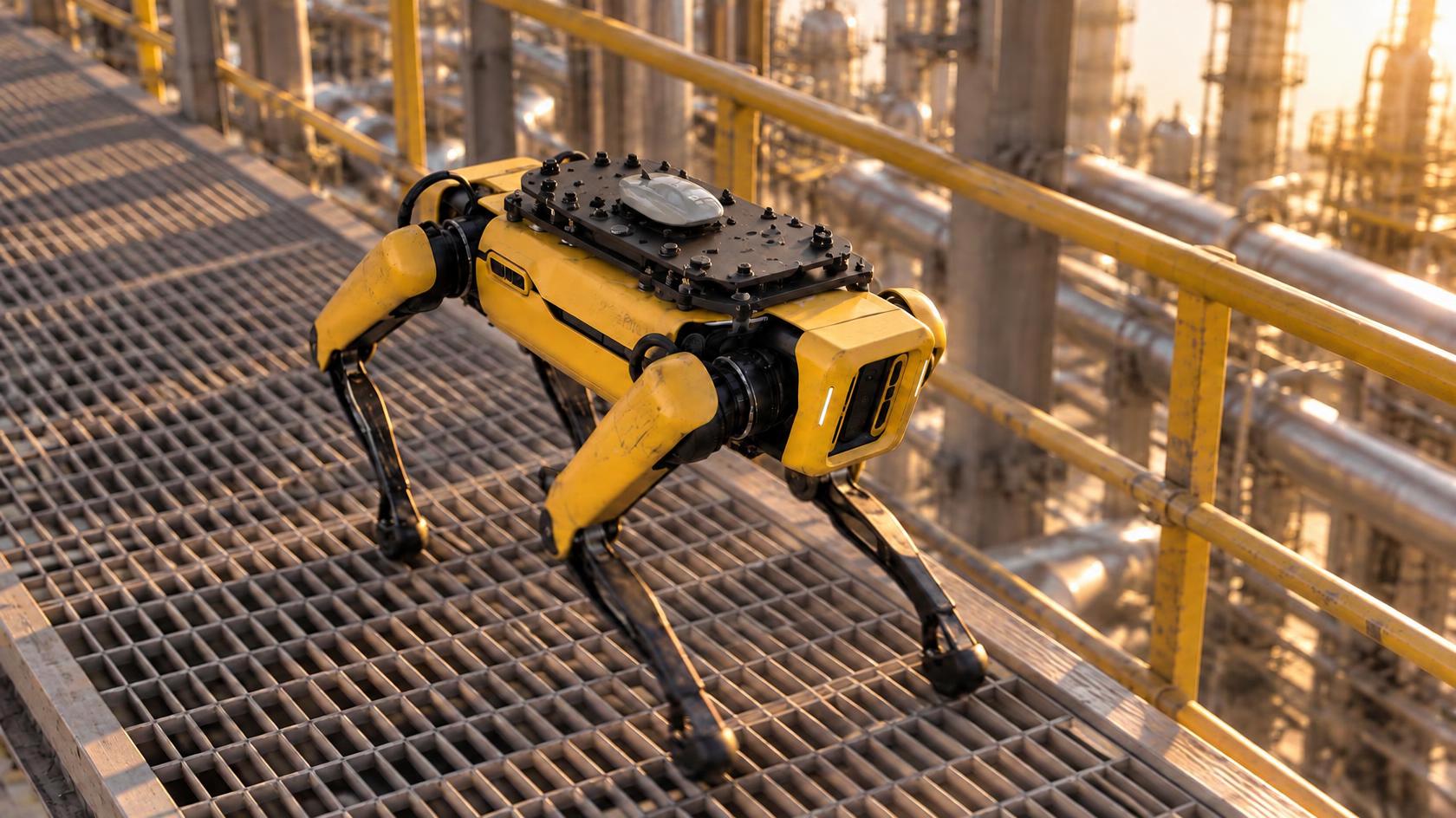
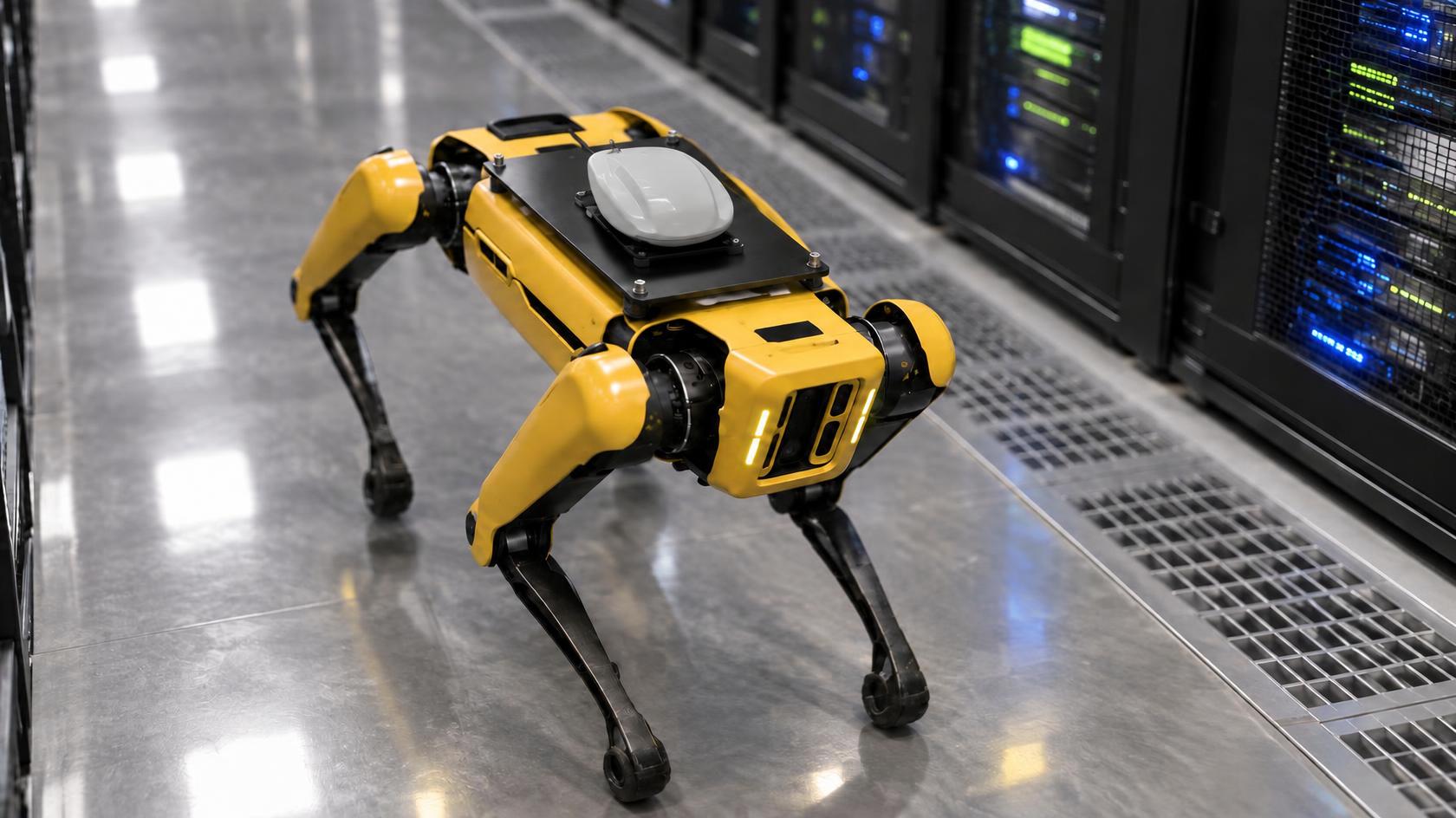

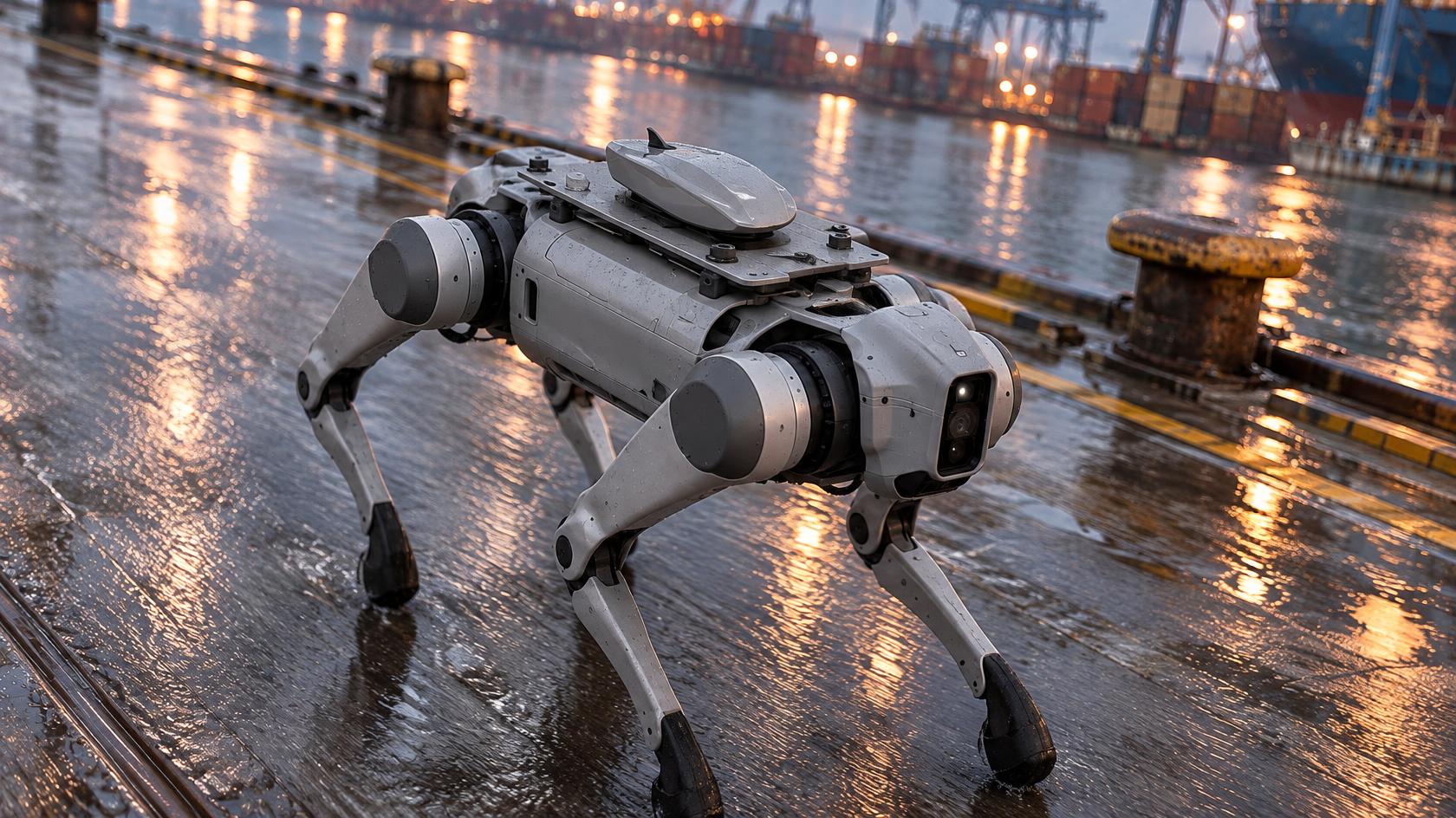
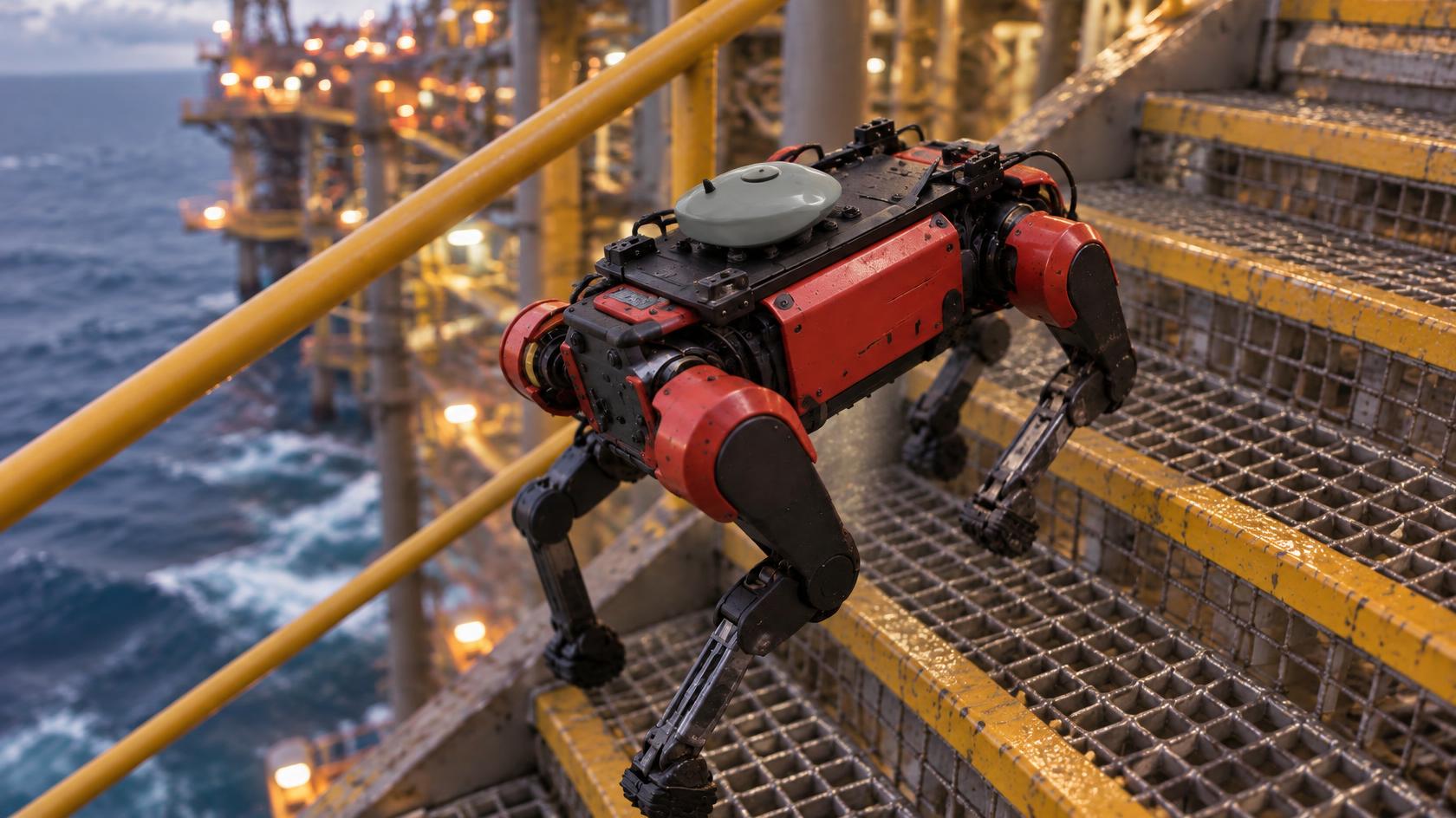
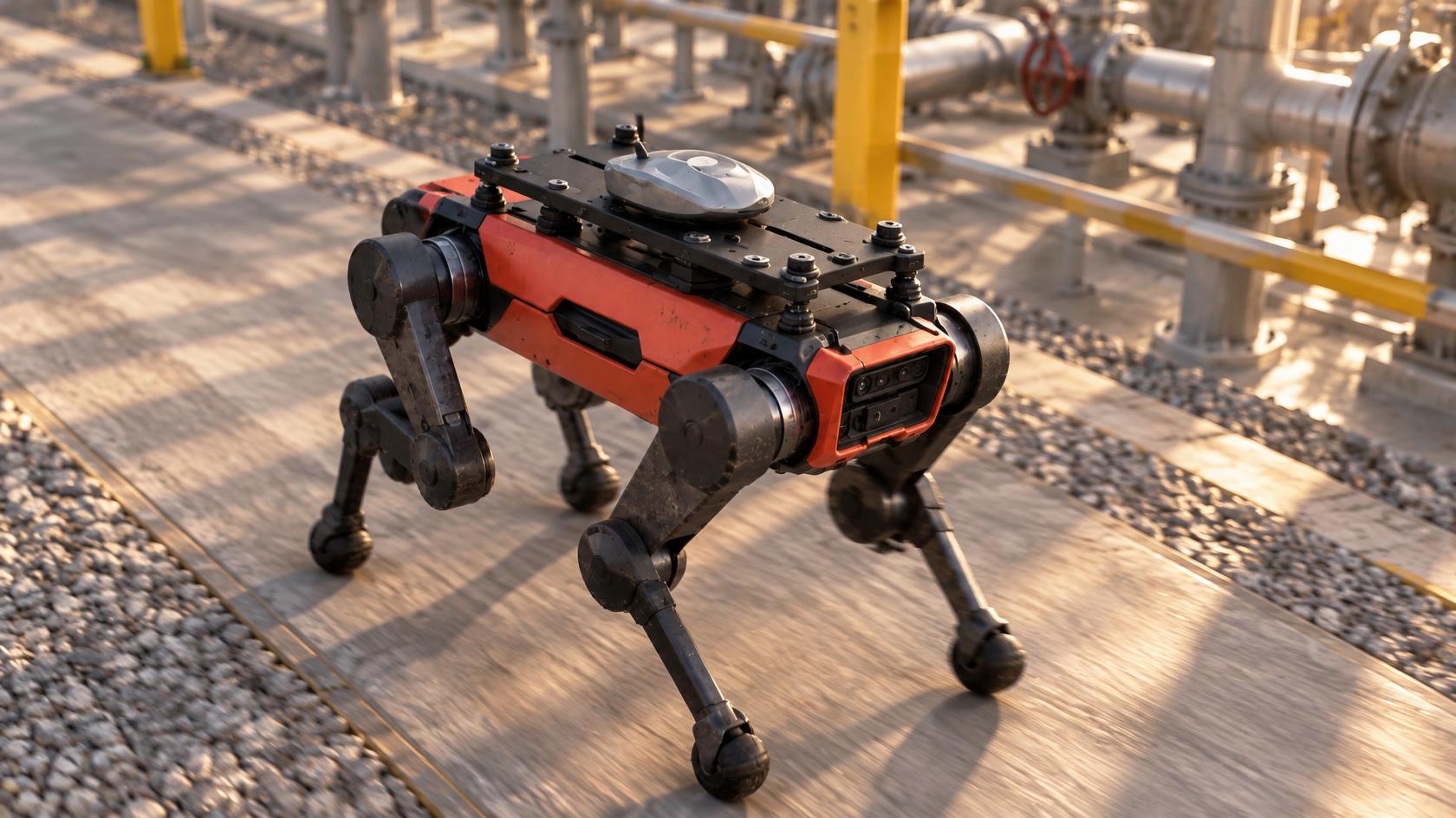


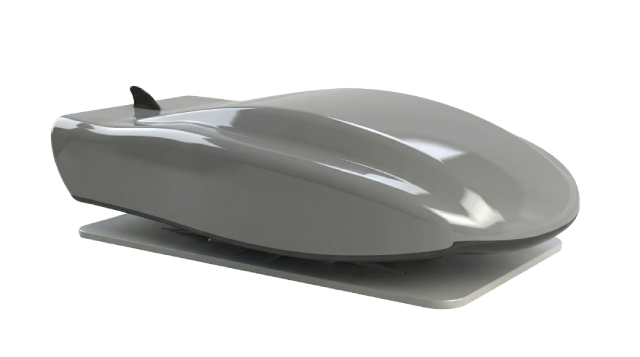 SPARROW NODE • PRODUCT RENDER
The environmental layer,
integrated.
| Particles | PM0.3–10 particle bins and derived PM₁, PM₂.₅, PM₁₀ metrics |
| Gases | Configured NO, NO₂ / NOₓ, O₃, CO, CO₂ and VOC category |
| Microclimate | Temperature, relative humidity and atmospheric pressure |
| Context | Noise, GNSS / GPS, road surface indicators where supported |
| Connectivity | 4G / 5G cellular, configured by deployment; Sparrow Cloud |
Sensor selection varies by build. Categories are not a promise that every sensor is fitted or available simultaneously.
Product specsWhat the Sparrow Node
measures.
Indicators, plain-word explanations and measurement modes. Hover a mode badge to see what it means.
Product specsDust
| Indicator | What it is | Range · accuracy · rate | Mode |
|---|---|---|---|
| PM1 | Ultrafine particles ≤1 µm | 0–10 000 µg/m³ · ±3% · 10 s | Precise measurement |
| PM2.5 | Fine particles ≤2.5 µm | 0–1000 µg/m³ · ±3% · 10 s | Precise measurement |
| PM10 | Coarse particles ≤10 µm | 0–1000 µg/m³ · ±3% · 10 s | Precise measurement |
| Particle counts | PM1, PM2.5 and PM10 counts plus size bins 0.3–0.5, 0.5–1, 1–2.5, 2.5–5 and 5–10 µm | 0–20 000 pcs/L · ±10% · 10 s | Precise measurement |
Traffic fumes and combustion gases
| Indicator | What it is | Range · accuracy · rate | Mode |
|---|---|---|---|
| NO | Nitric oxide | 0–1000 ppb · ±2.5 ppb · 10 s | Precise measurement |
| NO₂ | Nitrogen dioxide | 0–1000 ppb · ±2.5 ppb · 10 s | Precise measurement |
| NOx | Total nitrogen oxides (NO + NO₂) | 0–2000 ppb · ±5 ppb · 10 s | Derived measurement |
| CO | Carbon monoxide | 0–50 000 ppb · ±100 ppb · 10 s | Precise measurement |
| CO₂ | Carbon dioxide | 400–5000 ppm · ±50 ppm + 3% · 10 s | Precise measurement |
| O₃ | Ground-level ozone | 0–1000 ppb · ±2.5 ppb · 10 s | Precise measurement |
| Ox | Total oxidants (O₃ + NO₂) | 0–2000 ppb · ±5 ppb · 10 s | Derived measurement |
Toxic and hazardous gases
| Indicator | What it is | Range · accuracy · rate | Mode |
|---|---|---|---|
| SO₂ | Sulphur dioxide | — | Precise measurementextended Node |
| H₂S | Hydrogen sulphide, rotten-egg odour | — | Precise measurementextended Node |
| NH₃ | Ammonia | — | Precise measurementextended Node |
| CH₄ | Methane | — | Hotspot and spike detection |
| HCHO | Formaldehyde | — | Hotspot and spike detection |
Volatile organic compounds (VOC index)
| Indicator | What it is | Range · accuracy · rate | Mode |
|---|---|---|---|
| C₆H₆ | Benzene | — | Relative index |
| C₇H₈ | Toluene | — | Relative index |
| C₈H₁₀ | Ethylbenzene | — | Relative index |
| o-C₈H₁₀ | Ortho-xylene | — | Relative index |
| VOC (raw) | Raw sensor resistance behind the VOC index | 0–100 MΩ · 60 s | Relative index |
Odours (16-channel odour module)
| Indicator | What it is | Range · accuracy · rate | Mode |
|---|---|---|---|
| Odour signatures | Pattern recognition across 16 sensor channels to tell odour profiles apart (e.g. gasoline, waste and other characteristic smells) and map where they spread | — | Odour fingerprinting and mapping |
Odours are complex mixtures of volatile compounds. Instead of measuring single gases, the odour module recognises patterns across multiple channels to distinguish odour profiles and map their spatial distribution.
Microclimate
| Indicator | What it is | Range · accuracy · rate | Mode |
|---|---|---|---|
| Temperature | Air temperature | 0–65 °C · ±0.2 °C · 60 s | Precise measurement |
| Humidity | Relative humidity | 0–100 %RH · ±2 %RH · 60 s | Precise measurement |
| Pressure | Atmospheric pressure | 300–1100 hPa · ±0.6 hPa · 60 s | Precise measurement |
Location and motion
| Indicator | What it is | Range · accuracy · rate | Mode |
|---|---|---|---|
| Position | GNSS coordinates, 1×10⁻⁶° resolution | Global · 2.5 m CEP · 0.1 s | Precise measurement |
| Speed | Ground speed | 0–1800 km/h · ±0.18 km/h · 0.1 s | Precise measurement |
| Heading | Direction of travel | 0–360° · ±0.3° · 10 s | Precise measurement |
| Altitude | Height above sea level | −0.5 to 50 km · <4 m · 0.1 s | Precise measurement |
| Timestamp | GNSS-referenced time on every reading | 1 ns resolution · <30 ns · 0.1 s | Precise measurement |
Road and device condition
| Indicator | What it is | Range · accuracy · rate | Mode |
|---|---|---|---|
| IRI | International Roughness Index, from the accelerometer | m/km · 0.01 resolution | Derived measurement |
| Bumps | Event-based bump and pothole detection | Level · event-based | Derived measurement |
| Battery | Internal backup battery level | 0–100% · ±1% | Precise measurement |
Under feasibility assessment
| Indicator | What it is | Range · accuracy · rate | Mode |
|---|---|---|---|
| Cl₂ | Chlorine | — | Under assessment |
| HCN | Hydrogen cyanide | — | Under assessment |
| COCl₂ | Phosgene | — | Under assessment |
Feasibility depends on required measurement ranges, detection limits and field conditions.
Not every sensor is fitted on every Node. Configurations are matched to each deployment.
From edge sampling
to operational context.
Indicative cadence depends on the fitted sensor, operating mode and project configuration.
Sample at the edge
Indicative gases around 1 second, particles every 5–10 seconds and microclimate around 10 seconds. Not universal response or detection times.
Process in the cloud
Configured cellular backhaul connects measurements with calibration and processing in Sparrow Cloud.
Connect your workflows
Dashboards, geospatial context and agreed API access. Integration interfaces require project review; no assumed ROS compatibility.
Specific objectives.
Specific sensor review.
Optional modalities are not standard, certified or universally available.
Installation is part of the project.
Mounting, sampling airflow, power, connectivity, mechanical exposure and site permissions are reviewed before deployment. Calibration and maintenance arrangements are defined in the project scope.
Verified specifications, not assumptions.
Dimensions, mass, electrical load, battery, ingress protection, operating range and detection limits are quote-dependent until an approved technical sheet is provided.
Review technical referenceYour fleet already moves.
Let’s make it sense.
Start with a focused pilot. Engineer for your environment. Scale with confidence.